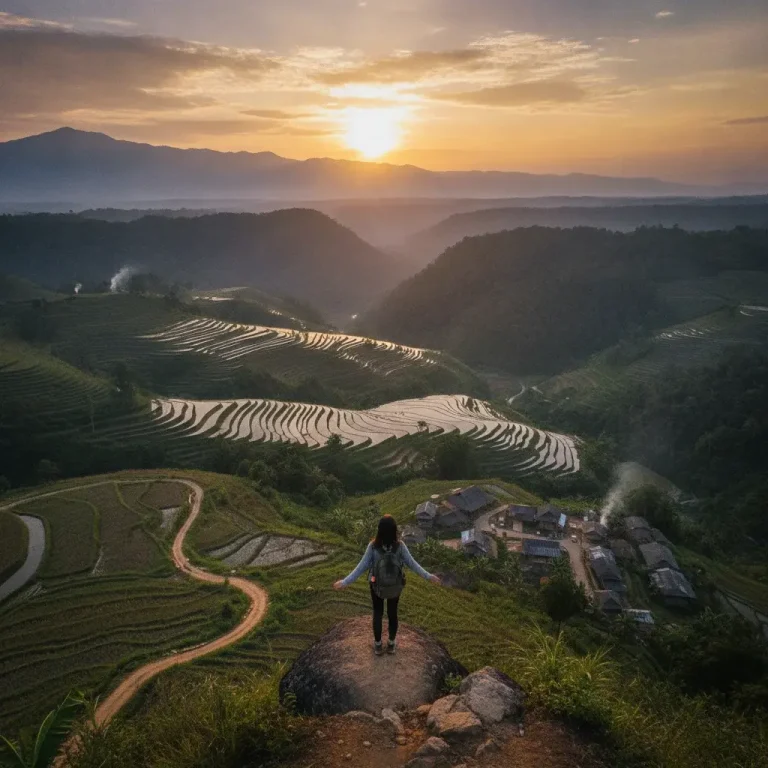
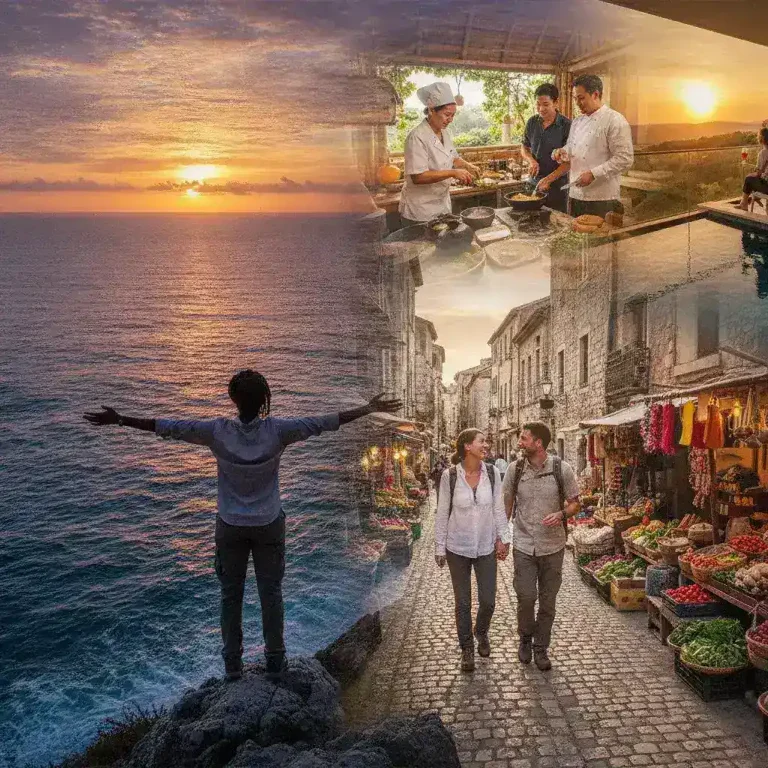
Solo Travel Destinations for Digital Nomads now dominate global travel behavior as remote work merges with location independence, reshaping where and how people live, earn, and explore. Instead of short vacations, modern travelers optimize cost of living, internet reliability, visa flexibility, safety, and community density while building sustainable routines across continents.
The digital nomad economy now exceeds millions of remote professionals, driven by coworking ecosystems, long-stay accommodations, border-friendly policies, and global payment platforms. Cities once considered seasonal tourist spots have evolved into year-round remote work hubs offering infrastructure rivaling major business capitals.
This guide breaks down the highest-performing global destinations, cost realities, visa strategies, lifestyle advantages, connectivity standards, and productivity ecosystems enabling long-term success.

Why Digital Nomads Are Redefining Global Travel
Remote work shifted travel from consumption to residence.
Key drivers:
- Employer-agnostic income
- Location arbitrage
- International coworking networks
- Remote collaboration tools
- Digital residency programs
Nomads no longer chase landmarks. They optimize:
- Stable high-speed internet
- Affordable housing
- Healthcare access
- Time-zone alignment
- Social integration
Platforms like Nomad List aggregate cost of living, internet speeds, climate data, safety ratings, and community size to guide relocation decisions in real time.
Southeast Asia: High Value Living With Global Connectivity
Bali, Indonesia — Community Density Meets Lifestyle Balance
Bali remains a digital nomad magnet due to low costs, coworking saturation, wellness culture, and year-round warm climate.
Infrastructure strengths:
- Fiber internet across Canggu and Ubud
- Coworking hubs like Dojo, Outpost, and B Work
- International healthcare clinics
- Monthly rentals under major Western cities
Many nomads secure long-term stays through platforms such as Airbnb while transitioning into private villa leases after arrival.
Indonesia’s evolving remote visa policies now actively court foreign professionals, positioning Bali as a long-stay hub rather than a short holiday stop.
Chiang Mai, Thailand — Cost Efficiency With Productivity Focus
Chiang Mai consistently ranks among the most affordable high-quality nomad cities worldwide.
Core advantages:
- Reliable fiber internet
- Ultra-low food costs
- Extensive coworking network
- Quiet work culture
Coworking directories like Coworker highlight dozens of high-speed workspaces clustered around Nimmanhaemin Road.
Thailand’s long-stay visa programs further support multi-year residency for freelancers and entrepreneurs.
Europe: Infrastructure, Stability, and Remote-Friendly Visas
Lisbon, Portugal — Remote Work Capital of Europe
Lisbon blends historic culture with modern tech infrastructure and nomad-friendly regulations.
Why nomads choose Lisbon:
- Strong expat community
- High English fluency
- Mild climate year-round
- Affordable by European standards
- Direct flights across continents
Portugal’s remote residency pathways make long-term settlement feasible, while coliving providers such as Outsite streamline housing for newcomers.
Tallinn, Estonia — The Digital Nation
Estonia pioneered government-backed digital nomad infrastructure.
Key innovations:
- Fully online business registration
- E-residency services
- Transparent taxation systems
- Dedicated remote worker visa
The Estonian digital nomad visa allows legal long-term residence while working for foreign companies, transforming Tallinn into a remote professional hub.
Urban fiber networks and cybersecurity leadership attract developers and entrepreneurs globally.
Latin America: Culture, Time Zones, and Rising Infrastructure
Medellín, Colombia — Urban Transformation Success Story
Once known for instability, Medellín now leads Latin America’s remote work resurgence.
Nomad benefits:
- Modern metro system
- Affordable high-rise apartments
- Growing tech ecosystem
- Warm spring-like climate year-round
Neighborhoods such as El Poblado host dense coworking clusters and fast fiber networks supporting global teams.
Remote professionals frequently coordinate stays through community platforms like Remote Year for structured relocation programs.
Mexico City — Global City With Nomad Economics

Mexico City combines megacity amenities with moderate costs.
Strengths:
- International cuisine
- Gigabit internet in central districts
- Thriving startup culture
- Strong cultural life
- Easy visa extensions
Time-zone alignment with North America makes Mexico City particularly attractive for U.S. remote workers.
Asia Beyond Southeast: Rising Powerhouses
Ho Chi Minh City, Vietnam — Startup Momentum Meets Affordability
Vietnam’s tech economy growth has fueled major digital infrastructure upgrades.
Advantages:
- Low rent costs
- Rapid internet improvements
- Strong café work culture
- Expanding coworking scene
Entrepreneurs increasingly choose Vietnam for company formation, e-commerce operations, and SaaS development.
Seoul, South Korea — Hyper-Connectivity for High Output Work
For productivity-driven nomads, Seoul offers unmatched digital infrastructure.
Core strengths:
- World-leading internet speeds
- Advanced mobile payments
- Efficient transportation
- Global business networks
Although costlier than Southeast Asia, Seoul’s reliability and professional ecosystem justify the investment for high-income remote workers.
Housing Strategies for Long-Term Nomads
Short stays waste money.
Optimized housing approach:
- Begin with short-term rentals via platforms like Booking.com for exploration
- Transition to local leases negotiated in person
- Join nomad housing Facebook groups per city
- Use coliving networks for instant community
Average monthly savings often reach 40–60% after moving off short-term platforms.
Internet Reliability: The Non-Negotiable Factor
Before committing to any destination:
- Confirm fiber availability
- Test mobile data backup
- Verify coworking bandwidth
- Ask local expats about outages
Tools such as Speedtest allow real-time verification of local connection quality.
Nomads often carry dual SIM setups for redundancy.
Healthcare and Insurance Planning
Global mobility requires international coverage.
Providers like SafetyWing specialize in nomad-oriented health insurance offering worldwide coverage without permanent residence.
Critical considerations:
- Emergency evacuation
- Outpatient care
- Telemedicine
- Pandemic coverage
Major nomad hubs usually host private international clinics meeting Western standards.
Community Building and Longevity Abroad
Isolation ends most nomad journeys.
Successful long-term travelers:
- Join coworking spaces immediately
- Attend language exchanges
- Use local meetup platforms
- Participate in sports groups
Communities accelerate:
- Friendships
- Business collaborations
- Housing deals
- Cultural integration
Strong networks turn destinations into homes rather than temporary stops.
Cost Optimization by Region
Approximate monthly budgets for single nomads:
| Region | Comfortable Monthly Range |
|---|---|
| Southeast Asia | $800–$1,500 |
| Latin America | $1,000–$2,000 |
| Southern Europe | $1,500–$2,500 |
| East Asia | $1,800–$3,000 |
Actual costs vary by housing style and lifestyle preferences.
Visa Trends Shaping Future Nomad Movement
Governments on Solo Travel Destinations now compete for remote workers.
Emerging strategies include:
- Dedicated digital nomad visas
- Tax incentives
- Fast-track residency
- Remote worker tax exemptions
Countries like Portugal, Estonia, Thailand, Mexico, and Indonesia actively expand long-stay programs to attract high-income foreigners.
This trend ensures increasing legal stability for long-term remote living.
Subheading Featuring the Keyword Once
Solo Travel Destinations for Digital Nomads and Long-Term Living Success
Solo Travel Destinations for Digital Nomads long-term sustainability separates casual travelers from professional nomads.
Successful location choices balance:
- Legal stay duration
- Internet reliability
- Cost efficiency
- Healthcare access
- Social ecosystem
- Personal productivity
Short-term excitement fades quickly if infrastructure fails.
Future Hotspots to Watch
Rising nomad destinations gaining momentum:
- Tbilisi, Georgia
- Split, Croatia
- Da Nang, Vietnam
- Buenos Aires, Argentina
- Kuala Lumpur, Malaysia
Each offers improving digital infrastructure paired with attractive visa policies.
Productivity Systems That Sustain Nomad Life
Top remote professionals build rigid routines regardless of location:
- Fixed work hours
- Dedicated workspace
- Weekly planning
- Local gym memberships
- Meal consistency
Mobility without structure collapses performance.
The most successful nomads treat travel as lifestyle geography, not vacation.
Final Perspective
The global workforce is no longer tied to cities of employment. Digital infrastructure now determines where professionals live. Countries that invest in connectivity, visa reform, and urban livability will dominate the future of remote migration.
Digital nomadism is not a trend. It is a structural shift in how human capital distributes across the planet.
Those who master location selection gain cost efficiency, quality of life, cultural exposure, and geographic freedom unmatched by traditional careers.
This transformation continues accelerating as governments adapt and remote work normalizes worldwide.
About the Author