Emerging Urban Travel Trends Shaping Major United States Cities define the current shift in domestic tourism as travelers move away from hyper-commercialized districts toward authentic neighborhood immersion and sustainable transit. This transition is characterized by a rejection of standardized visitor scripts in favor of localized experiences. Current data indicates a significant rise in “hushpitality” and slow travel within metropolitan environments like New York, Nashville, and Austin. High-fidelity thinking requires acknowledging that the modern urban traveler prioritizes cognitive restoration over traditional sightseeing.
:max_bytes(150000):strip_icc()/TAL-asheville-09-USCITIESWB25-4f94c48a450140afb68a6594e1408948.jpg)
Local Neighborhood Urban Travel Immersion Replacing Commercial Tourism
The saturation of traditional tourist corridors has led to the rise of “authenti-cities,” where visitors prioritize residential districts over central business hubs. In cities like New Orleans and Portland, travelers are increasingly seeking out independent cafes and small venues that reflect genuine local culture. This behavior is a direct response to the “emotional flattening” found in heavily marketed zones. The shift toward neighborhood-scale exploration allows for a deeper connection to the city’s actual rhythm rather than its curated facade.
Travelers now utilize “decision detox” strategies, choosing pre-curated neighborhood walks that bypass the anxiety of infinite choice. This movement is supported by the growth of boutique hotels that function as neighborhood anchors, integrating local art and gastronomy directly into the lodging experience. By staying in converted industrial buildings or historic manors, visitors engage with the city’s narrative from the moment of check-in, effectively dissolving the barrier between “tourist” and “resident.”
Integration of Shared Micromobility and Smart Transit
Modern urban navigation is dictated by the availability of lightweight, electric transit options that bridge the first- and last-mile gap. Shared bikes and e-scooters have moved from novelty to essential infrastructure, with over 133 million trips recorded in the United States. Travelers utilize these systems to bypass traffic congestion and reach underserved districts. Smart city technology facilitates this by providing real-time inventory and navigation, making the urban landscape more accessible without the need for private vehicle rentals.
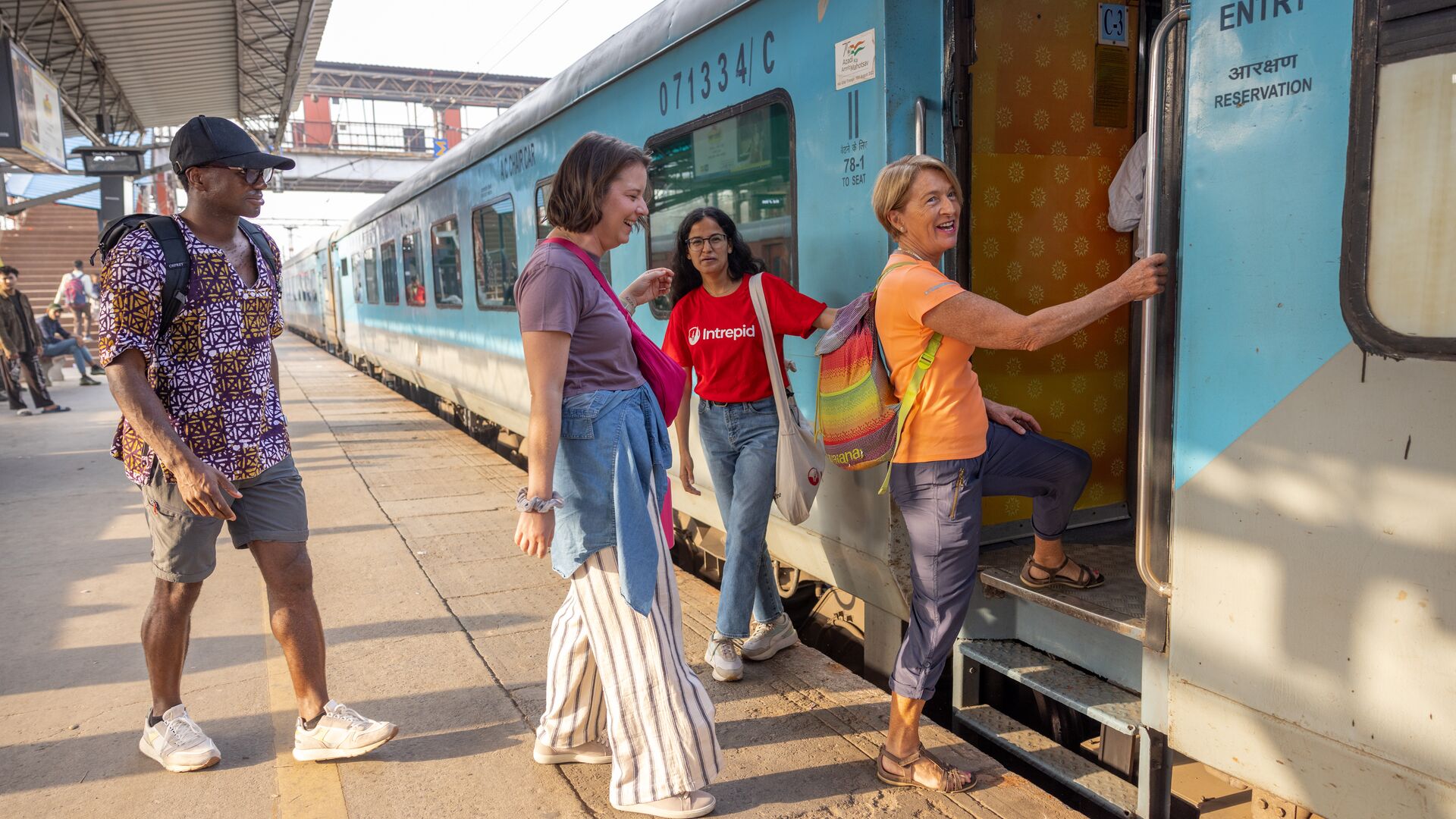
This transit evolution supports “noctourism,” where travelers explore cities after dark to avoid daytime heat and congestion. Enhanced lighting and safety infrastructure allow for museum lates and night-time architectural tours, fundamentally extending the city’s usable hours. The reliance on multi-modal transit—combining heavy rail, bus, and scooter—reduces the environmental impact of urban tourism while providing a granular view of the city’s geography that is often missed from the windows of a ride-share vehicle.
Sustainable Practices and Regenerative Urban Tourism
Sustainability in the urban context has evolved from simple waste reduction to active ecological and community restoration. Regenerative tourism models encourage visitors to support businesses that contribute to the social and environmental health of the city. This includes staying in LEED-certified accommodations and participating in “community-positive” activities. Travelers are increasingly conscious of their carbon footprint, opting for high-speed rail or electric transit to navigate between major American hubs.
The implementation of “sponge city” designs and urban rewilding projects provides new green corridors for travelers to explore. These nature-based solutions not only manage stormwater but also offer restorative “touch grass” moments within high-density environments. Visitors now prioritize cities that demonstrate a commitment to biodiversity, seeking out hotels that feature vertical gardens or rooftop apiaries. This shift reflects a broader cognitive realignment where the traveler views themselves as a temporary steward of the urban ecosystem rather than a mere consumer of its resources.
The Rise of Intentional Slow Travel in Metropolises
Slow travel principles are being applied to high-density environments to combat burnout and sensory overload. Instead of rapid-fire itineraries, visitors are staying longer in single destinations to establish a temporary local routine. This trend, often referred to as “hushpitality,” emphasizes silence, rest, and cognitive detox within the city. It prioritizes quality of interaction over the quantity of landmarks visited, allowing for a more profound mental reorganization during the travel period.
This intentionality extends to “whycations,” where the trip is planned around an emotional objective such as reflection or reconnection. Urban environments facilitate this through specialized wellness retreats that combine traditional spa services with neuro-urbanism principles, focusing on how light, sound, and space affect the human mind. The goal is to return from the city feeling cognitively restored, a direct contradiction to the traditional “vacation from the vacation” requirement typical of legacy travel models.
Event Driven Journeys and Cultural Mainstage Tourism
Urban centers are increasingly viewed as platforms for high-impact cultural and sporting events that anchor entire itineraries. Travelers are building multi-day trips around major global events like the FIFA World Cup or specific music festivals. This “mainstage tourism” treats the event as a focal point, with surrounding activities like culinary workshops and museum visits providing a comprehensive cultural experience. The planning process is often visually driven, influenced by short-form content that highlights unique, 15-second “must-try” moments within the city.
These anchor events act as catalysts for infrastructure improvements that benefit the city long after the crowds disperse. For example, the preparation for Super Bowl LX in Santa Clara drives upgrades in local transit and hospitality services. Travelers capitalize on these “event-adjacent” windows to experience the city at its peak operational capacity. The result is a highly curated, frictionless experience where the city’s identity is temporarily synchronized with a global cultural narrative, providing a sense of participation in a significant historical moment.
About the Author