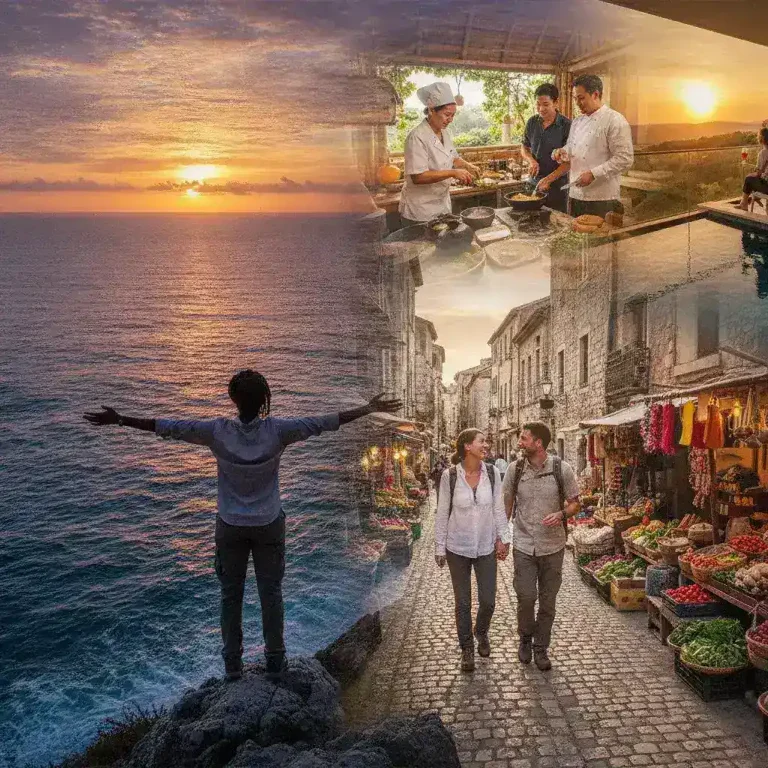
Ultimate USA Travel Guide National Parks Cities defines the core structure of travel across the United States by integrating high demand destinations, dominant search trends, and enduring geographic assets into one operational framework. The United States functions as a continental scale travel environment composed of national parks, megacities, coastal corridors, desert landscapes, mountain systems, and cultural capitals. Travel demand concentrates around iconic natural landmarks, urban skylines, entertainment hubs, and regionally distinct food and music scenes. Strategic planning requires understanding distance, climate variation, infrastructure, peak tourism cycles, and federal land management systems.
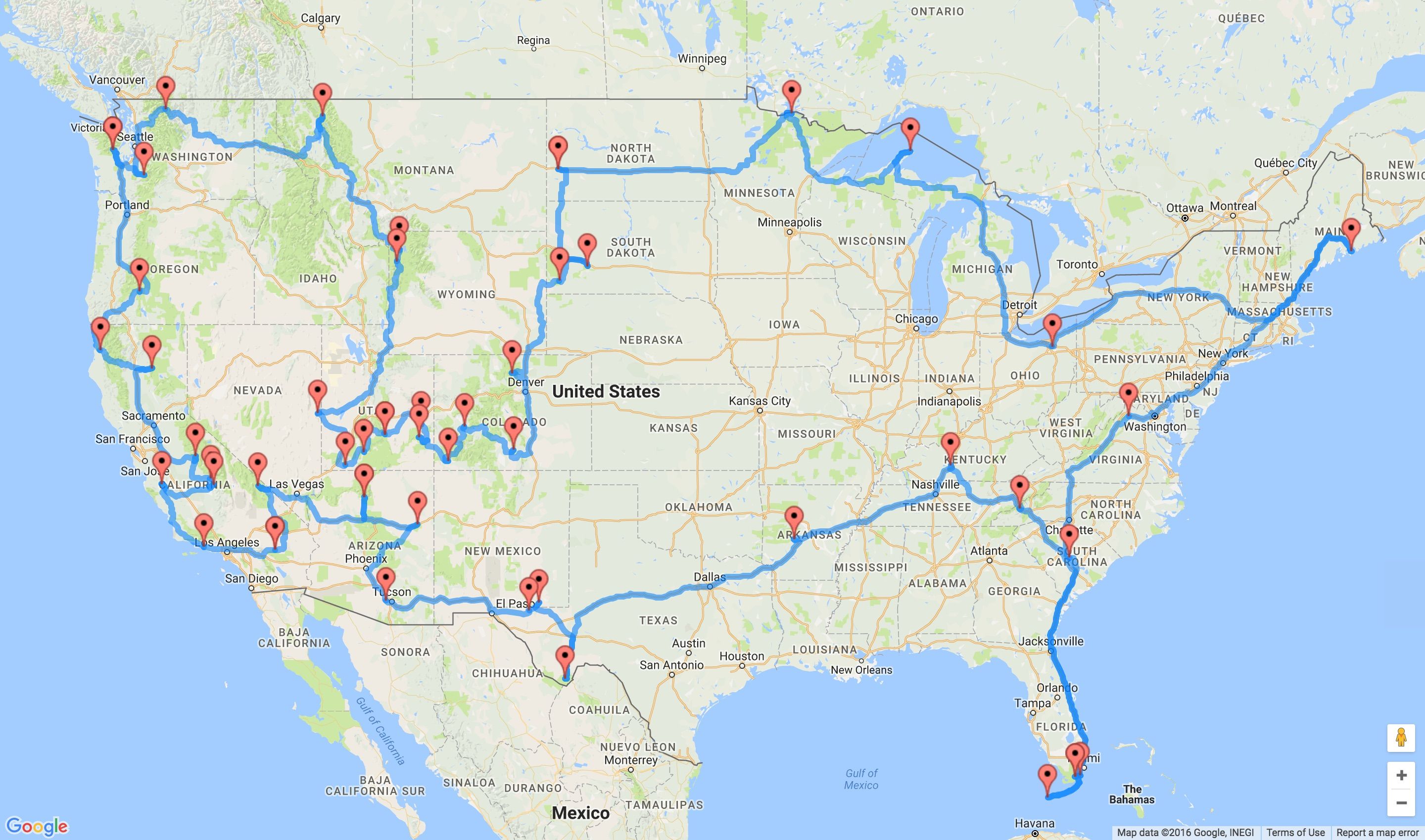
National Parks and Natural Landscapes
The United States national park system anchors domestic and international tourism through protected geological and ecological assets managed by the National Park Service at https://www.nps.gov. Flagship parks dominate search volume and visitation patterns due to scale, visual identity, and media saturation.
Grand Canyon
Grand Canyon National Park in Arizona represents extreme geological exposure through the Colorado River corridor, layered sedimentary rock, and expansive rim viewpoints. The South Rim maintains year round accessibility, lodging infrastructure, and shuttle systems documented at https://www.nps.gov/grca. The North Rim operates seasonally due to snowfall and limited access roads. Backcountry permits regulate overnight hiking below the rim. Helicopter tours operate from adjacent hubs such as Las Vegas and Tusayan. Peak congestion aligns with spring and summer. Shoulder seasons reduce crowd density and heat exposure.
Yellowstone
Yellowstone National Park spans Wyoming, Montana, and Idaho, functioning as the first national park globally and a geothermal basin characterized by geysers, hot springs, and wildlife corridors. Official operational data, road conditions, and campground systems appear at https://www.nps.gov/yell. Old Faithful, Grand Prismatic Spring, Lamar Valley, and Yellowstone Lake generate concentrated visitation. Wildlife management enforces distance regulations for bison, elk, bears, and wolves. Winter access relies on snowcoaches and guided snowmobile systems due to road closures. Lodging inside the park books months in advance during summer.
Yosemite
Yosemite National Park in California integrates granite monoliths, alpine meadows, and waterfall systems. Yosemite Valley concentrates visitor infrastructure, including shuttle routes and trailheads detailed at https://www.nps.gov/yose. El Capitan and Half Dome define the visual identity of the park. Permits regulate Half Dome cable access and wilderness backpacking. Seasonal snowpack influences Tioga Pass accessibility. Wildfire conditions periodically affect air quality and road status. Accommodation includes valley lodges, campgrounds, and gateway communities such as Mariposa and Oakhurst.
Zion and Bryce Canyon
Zion National Park in Utah emphasizes canyon slot formations, vertical cliffs, and river carved corridors, with shuttle logistics described at https://www.nps.gov/zion. Angels Landing requires a lottery based permit system due to safety constraints. The Narrows route follows the Virgin River through narrow sandstone walls, subject to flash flood monitoring. Nearby Bryce Canyon National Park showcases hoodoo formations and high elevation viewpoints accessible via scenic drive loops. Combined itineraries optimize regional travel efficiency within southern Utah.
Glacier
Glacier National Park in Montana operates as a high alpine ecosystem with glacial lakes and the Going to the Sun Road, a trans mountain highway requiring vehicle reservations during peak periods as outlined at https://www.nps.gov/glac. Climate volatility affects accessibility. Wildlife presence includes mountain goats, grizzly bears, and moose. Backpacking zones require permits and bear safety compliance.
Great Smoky Mountains
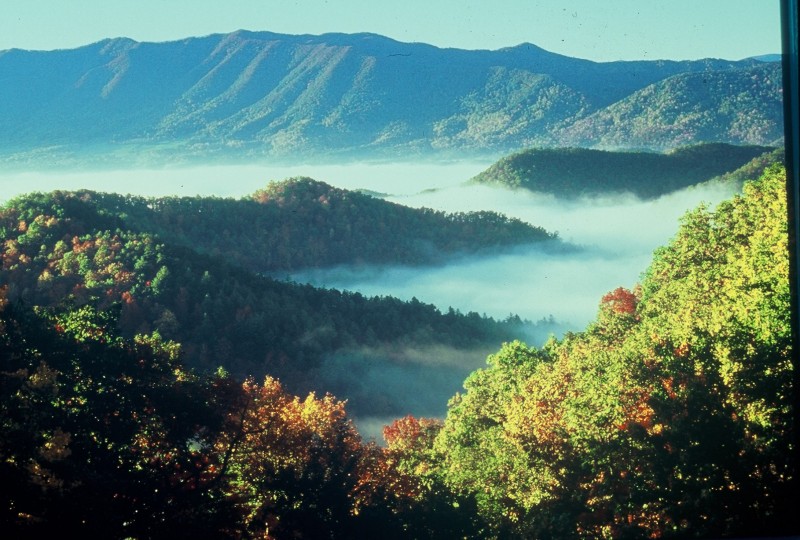
Great Smoky Mountains National Park straddles North Carolina and Tennessee and consistently ranks among the most visited parks due to proximity to population centers. Visitor guidance appears at https://www.nps.gov/grsm. Biodiversity, mist covered ridges, and accessible scenic drives contribute to sustained popularity. Fall foliage generates peak traffic. Gatlinburg and Pigeon Forge serve as primary gateway towns.
Rocky Mountain
Rocky Mountain National Park in Colorado features alpine tundra, Trail Ridge Road, and high elevation hiking networks documented at https://www.nps.gov/romo. Timed entry reservations regulate summer vehicle flow. Altitude acclimatization is critical for hikers exceeding ten thousand feet. Winter conditions enable snowshoeing and cross country skiing.
National parks require logistical precision. Distance between western parks is substantial. Fuel planning, weather monitoring, and seasonal closures determine itinerary feasibility. Federal land usage policies govern drone restrictions, campfire regulations, and wildlife interaction standards.
Major Cities and Urban Tourism
Urban travel in the United States centers on density, architecture, culture, finance, entertainment, and culinary industries. High volume cities function as both standalone destinations and regional entry points.
New York City
New York City integrates finance, media, art, and tourism infrastructure across five boroughs. Official visitor resources exist at https://www.nycgo.com. Manhattan contains Times Square, Central Park, Broadway theaters, and major museums such as the Metropolitan Museum of Art. The Statue of Liberty and Ellis Island require advance ferry reservations managed through federal systems. Public transportation relies on subway networks and commuter rail. Accommodation pricing varies dramatically by neighborhood. Seasonal climate ranges from humid summers to freezing winters.
Los Angeles
Los Angeles combines film industry infrastructure, coastal access, and dispersed urban sprawl. Tourism information appears at https://www.discoverlosangeles.com. Hollywood, Santa Monica, Venice Beach, and Beverly Hills drive search demand. Car dependency defines mobility due to scale and freeway networks. Studio tours operate through major film companies. Wildfire season can impact air quality. Coastal microclimates vary across short distances.
Las Vegas
Las Vegas operates as a concentrated entertainment corridor anchored by the Las Vegas Strip. Destination details appear at https://www.visitlasvegas.com. Integrated resort casinos contain lodging, dining, shows, and retail. Proximity to desert parks such as Red Rock Canyon and Hoover Dam extends itinerary options. Peak visitation aligns with conventions and holiday weekends. Climate extremes define summer travel risk due to high desert temperatures.
Miami
Miami functions as a tropical gateway city linking North America to Latin America and the Caribbean. Tourism data is available at https://www.miamiandbeaches.com. South Beach architecture, Art Deco districts, cruise terminals, and proximity to Everglades National Park structure travel flows. Hurricane season introduces weather volatility. Cultural identity integrates Cuban, Caribbean, and South American influences.
Chicago
Chicago anchors the Midwest through lakefront access, architecture, and culinary identity. Official guidance appears at https://www.choosechicago.com. Millennium Park, Navy Pier, and the Art Institute of Chicago generate visitor traffic. Winter conditions can restrict outdoor exploration due to wind chill from Lake Michigan. Summer festivals increase hotel occupancy and pricing.
San Francisco
San Francisco features dense urban topography, Golden Gate Bridge visibility corridors, and proximity to wine regions and Silicon Valley. Travel planning resources exist at https://www.sftravel.com. Fog patterns affect seasonal climate perception. Cable cars and steep streets define mobility. Earthquake risk informs building codes and emergency preparedness.
Orlando
Orlando operates as a theme park concentration zone driven by Walt Disney World and Universal Orlando Resort. Planning systems and ticketing structures are detailed at https://www.visitorlando.com. Demand peaks during school vacations. Heat and humidity dominate summer conditions. On site resort accommodations integrate transportation networks.
Nashville and Austin
Nashville and Austin dominate music tourism. Nashville tourism infrastructure appears at https://www.visitmusiccity.com, emphasizing country music heritage and Broadway nightlife. Austin visitor information at https://www.austintexas.org highlights live music venues, tech sector growth, and food culture. Festival calendars drive hotel occupancy spikes.
Urban tourism requires budgeting for accommodation variability, transportation logistics, and ticketed attractions. Cities maintain layered zoning structures that affect safety perception, walkability, and public transit coverage.
Coastal Routes and Scenic Drives
The United States contains extended coastlines along the Atlantic, Pacific, and Gulf of Mexico. Road travel along coastal corridors generates high search volume due to visual appeal and flexible itineraries.
Pacific Coast Highway
California State Route 1, commonly known as the Pacific Coast Highway, runs along coastal cliffs between Southern and Northern California. Big Sur represents the most photographed segment. Road status and closures are updated through the California Department of Transportation at https://dot.ca.gov. Landslides periodically restrict access. Pullouts enable ocean viewpoints. Monterey, Carmel by the Sea, and Santa Barbara serve as anchor stops.
Highway 101 and Oregon Coast
Highway 101 extends north through Oregon and Washington. The Oregon Coast public land system is documented at https://stateparks.oregon.gov. Rocky headlands, lighthouses, and dune systems define landscape identity. Weather patterns include fog, wind, and rainfall outside peak summer.
Florida Keys Overseas Highway
The Overseas Highway connects mainland Florida to Key West through a series of bridges across turquoise waters. Infrastructure information appears at https://www.fdot.gov. Hurricane exposure influences travel timing. Snorkeling and diving activity concentrates around coral reef systems.
Blue Ridge Parkway
The Blue Ridge Parkway connects Virginia and North Carolina through Appalachian highlands. Route conditions and closures are available at https://www.nps.gov/blri. Fall foliage generates traffic surges. Scenic overlooks provide controlled access to mountain panoramas.
Route 66
Historic Route 66 spans from Chicago to Santa Monica, functioning as a symbolic cross country drive. Preservation and mapping information is maintained at https://www.nps.gov/subjects/route66. Remaining segments pass through Illinois, Missouri, Oklahoma, Texas, New Mexico, Arizona, and California. Road trip culture, roadside diners, and vintage motels sustain thematic appeal.
Coastal and highway travel demands awareness of fuel intervals, remote service gaps, and seasonal hazards including hurricanes, snow, wildfire, and landslides. Vehicle rental pricing fluctuates based on location and season.
Alaska and Hawaii
Non contiguous states generate high search demand due to perceived remoteness and ecological uniqueness.
Alaska
Alaska integrates glaciers, fjords, wildlife, and large scale wilderness. Cruise itineraries frequently depart from Seattle or Vancouver. Denali National Park information appears at https://www.nps.gov/dena. Limited road networks constrain independent travel. Summer daylight hours extend significantly, increasing sightseeing windows. Winter conditions restrict many services.
Hawaii
Hawaii comprises volcanic islands in the Pacific Ocean. Visitor information appears at https://www.gohawaii.com. Oahu, Maui, Kauai, and the Island of Hawaii each maintain distinct ecosystems. Hawaii Volcanoes National Park is documented at https://www.nps.gov/havo. Inter island travel relies on short haul flights. Tourism management addresses overtourism pressure and environmental conservation.
Distance from mainland United States increases airfare costs relative to domestic continental travel. Advance booking stabilizes pricing volatility.
Regional Food and Cultural Tourism
Travel decisions increasingly integrate culinary reputation and regional culture.
New Orleans
New Orleans functions as a culinary and music capital with Creole and Cajun influences. Official tourism infrastructure is presented at https://www.neworleans.com. Bourbon Street nightlife, French Quarter architecture, and Mardi Gras events drive seasonal demand. Flood risk and hurricane season require monitoring.
Texas Barbecue Corridor
Central Texas cities such as Austin, Lockhart, and Houston dominate barbecue search trends. Pit smoked brisket, sausage, and ribs anchor regional identity. Culinary tourism intersects with music festivals and sports events.
Pacific Northwest Coffee and Craft Beer
Seattle and Portland emphasize independent coffee culture and craft brewing density. Urban walkability and public transit coverage support localized exploration.
California Wine Country
Napa Valley and Sonoma County operate as wine tourism hubs. Tasting room reservations often require advance scheduling during peak harvest season.
Southwest Indigenous Heritage
Arizona and New Mexico preserve Native American cultural sites including Canyon de Chelly and Taos Pueblo. Respect for tribal sovereignty and photography restrictions is mandatory.
Culinary and cultural tourism requires reservations during peak festival periods. Alcohol regulations vary by state and county.
Transportation Infrastructure
The United States transportation matrix influences itinerary feasibility.
Air Travel
Major hubs include Atlanta, Dallas Fort Worth, Chicago O Hare, Los Angeles, and Denver. Security protocols are governed by the Transportation Security Administration at https://www.tsa.gov. Domestic flights reduce cross country travel time compared to ground routes. Weather delays affect northern airports during winter.
Rail
Amtrak operates long distance and regional rail services documented at https://www.amtrak.com. Northeast Corridor routes between Washington, New York, and Boston maintain higher frequency service. Western routes emphasize scenic travel rather than speed.
Car Rental
Car rental remains essential outside dense urban cores. Insurance coverage, mileage policies, and fuel charges vary by provider. One way rental fees increase total cost.
Public Transit
New York, Chicago, Boston, San Francisco, and Washington maintain extensive transit networks. Smaller cities rely heavily on personal vehicles or rideshare platforms.
Transportation planning reduces cost variability and time loss. Geographic scale demands realistic distance assessment.
Seasonal Strategy
Climate variation across latitudes and elevations dictates travel timing.
Spring supports desert park exploration before peak heat. Summer concentrates visitation in northern parks and coastal regions. Fall enhances foliage in New England and Appalachian regions. Winter supports ski tourism in Colorado, Utah, and Vermont while limiting access to high elevation roads.
Hurricane season affects Gulf and Atlantic states. Wildfire season affects western states. Snowfall impacts mountain passes. Monitoring federal and state park alerts reduces disruption risk.
Budget Structures
Travel cost categories include airfare, accommodation, ground transport, park entrance fees, attraction tickets, food, insurance, and contingency reserves.
National park entrance fees are standardized under federal policy detailed at https://www.nps.gov/planyourvisit/fees.htm. Annual passes reduce cumulative cost for multi park itineraries. Urban hotel pricing correlates with event calendars. Short term rental regulations vary by city.
Credit card foreign transaction policies affect international travelers. Sales tax varies by state and municipality.
Safety and Compliance
Travel safety includes environmental awareness, wildlife distance regulations, weather alerts, and urban crime variability. Emergency services operate through 911 nationwide. Park specific safety alerts are published on official websites. Health insurance coverage differs for international visitors.
Digital Planning Tools
Digital mapping platforms, airline booking systems, and park reservation portals centralize planning. Official state tourism portals provide event calendars and permit systems. Verification through government domains reduces misinformation exposure.
Ultimate USA Travel Guide National Parks Cities
Ultimate USA Travel Guide National Parks Cities consolidates large scale geography, urban density, protected wilderness, and transport infrastructure into one coordinated travel architecture. Execution depends on season alignment, distance realism, budget calibration, and regulatory compliance. National parks deliver geological scale and ecological exposure. Cities deliver culture, architecture, and commerce. Coastal highways deliver kinetic landscape immersion. Alaska and Hawaii deliver isolation and biodiversity contrast. Regional food corridors deliver identity through cuisine. Transportation systems impose structural constraints. Seasonal climate dictates operational windows. Strategic planning integrates these variables into a coherent itinerary across continental and non contiguous territories.
About the Author